ProSource
|
7/10/2025
In sunny, coastal Pinellas County, homeowners often want seamless indoor-outdoor living, and we get it. One customer recently came in asking about LVP for their exterior deck, encouraged by an installer who said he’s done it “100 times.” Here’s the problem: LVP is not approved for outdoor use.
Why Material Choice Matters in Pinellas County’s Coastal Climate
From St. Petersburg and Clearwater to Largo and Dunedin, homes in Pinellas County face salt air, high humidity, intense UV exposure, and sudden downpours. These conditions speed up fading, heat buildup, and moisture challenges—especially on open patios, rooftop decks, or west-facing outdoor spaces.
While luxury vinyl plank (LVP) performs beautifully indoors, it’s typically not engineered for direct outdoor exposure in coastal Florida. In most cases, outdoor use isn’t covered by manufacturer warranties.
Common Mistakes We See
- Treating outdoor spaces like indoors: Standard LVP may soften, warp, or discolor under sustained UV and heat.
- Skipping drainage planning: Without a drainage plane, trapped moisture accelerates failure.
- Overlooking surface heat: Sun + reflective pool decks can push surface temps far beyond ambient.
- Assuming it’s “waterproof” enough: “Waterproof” indoors does not equal “outdoor rated” in coastal conditions.
Better Outdoor Options for Pinellas County
For patios, lanais, and decks in this beachside region, choose materials built for outdoor exposure:
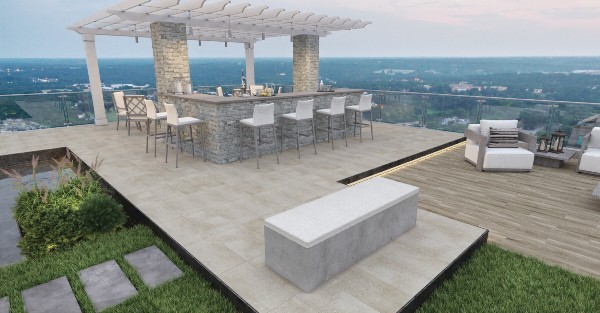
- Porcelain Tile Rated for Exterior Use: Excellent for patios and lanais; resists sun, moisture, and heavy use when installed with the correct substrate and expansion joints.
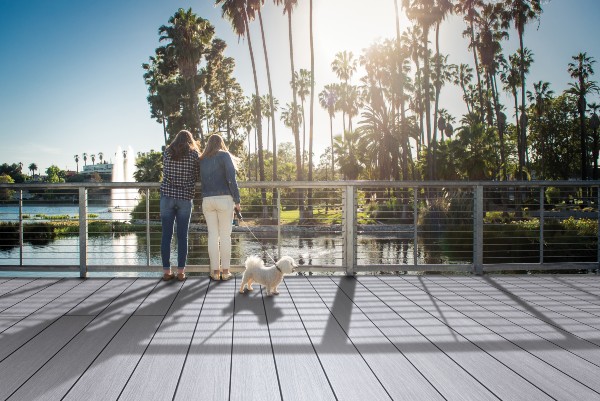
- Composite Decking Boards: Purpose-built for open-air decks and pool surrounds; stable, low-maintenance performance in humid, sunny conditions.
- Natural Stone Pavers: Travertine and other stones can thrive near the coast with proper sealing and a well-designed drainage base.
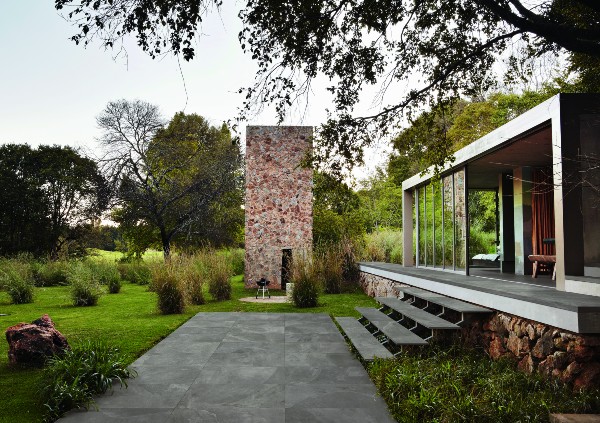
These stand up to coastal humidity, salt air, and sun…plus, they look amazing.
What To Consider:
Questions to Ask Your Installer
- Is this product explicitly rated for outdoor use in coastal Florida?
- What’s the substrate and drainage design for my patio/deck?
- How are expansion joints and UV exposure being handled?
- Does the warranty cover Pinellas County outdoor installations?
Maintenance Tips for the Gulf Coast
- Rinse salt spray, sand, and debris regularly.
- Use pH-neutral cleaners safe for exterior-rated surfaces.
- Inspect drainage paths and joints—especially after storms.
- Re-seal stone or pavers every 1–2 years as needed.
Get Expert Advice
At our Pinellas County showroom, we guide you through product options that make sense for Florida’s climate. Don’t make a costly mistake, let our team show you smarter, longer-lasting alternatives to LVP for your outdoor living space.
Tagged:
Tile
Outdoor
Home Remodeling and Commercial Renovation Made Easy
Whether you are updating a little, doing a full-scale remodel, you’ve come to the right place. Browse stunning spaces created with the help of ProSource Wholesale. Gain knowledge from articles with project tips and trends ideas. Browse over 50,000 products at low, wholesale prices. Then connect with your local showroom to get started.
Helping You Complete Successful Projects
With a team of product and project experts who provide personalized service tailored to your needs, ProSource is the source for project success. We're more than a home improvement store. Since 1991, we’ve been a trusted partner for trade professionals and their clients.
ProSource Helps Complete Successful Projects. Make Yours Next.
Find A Local Showroom